Walrus tusks have long been prized for their unique material properties and have been used in various cultures for centuries. The New York Times recently featured an article discussing the significance of this material in walrus tusks.
The article delves into the history of walrus tusks and how they have been used in art, trade, and cultural practices. It sheds light on the importance of this material in different societies and its impact on the environment.
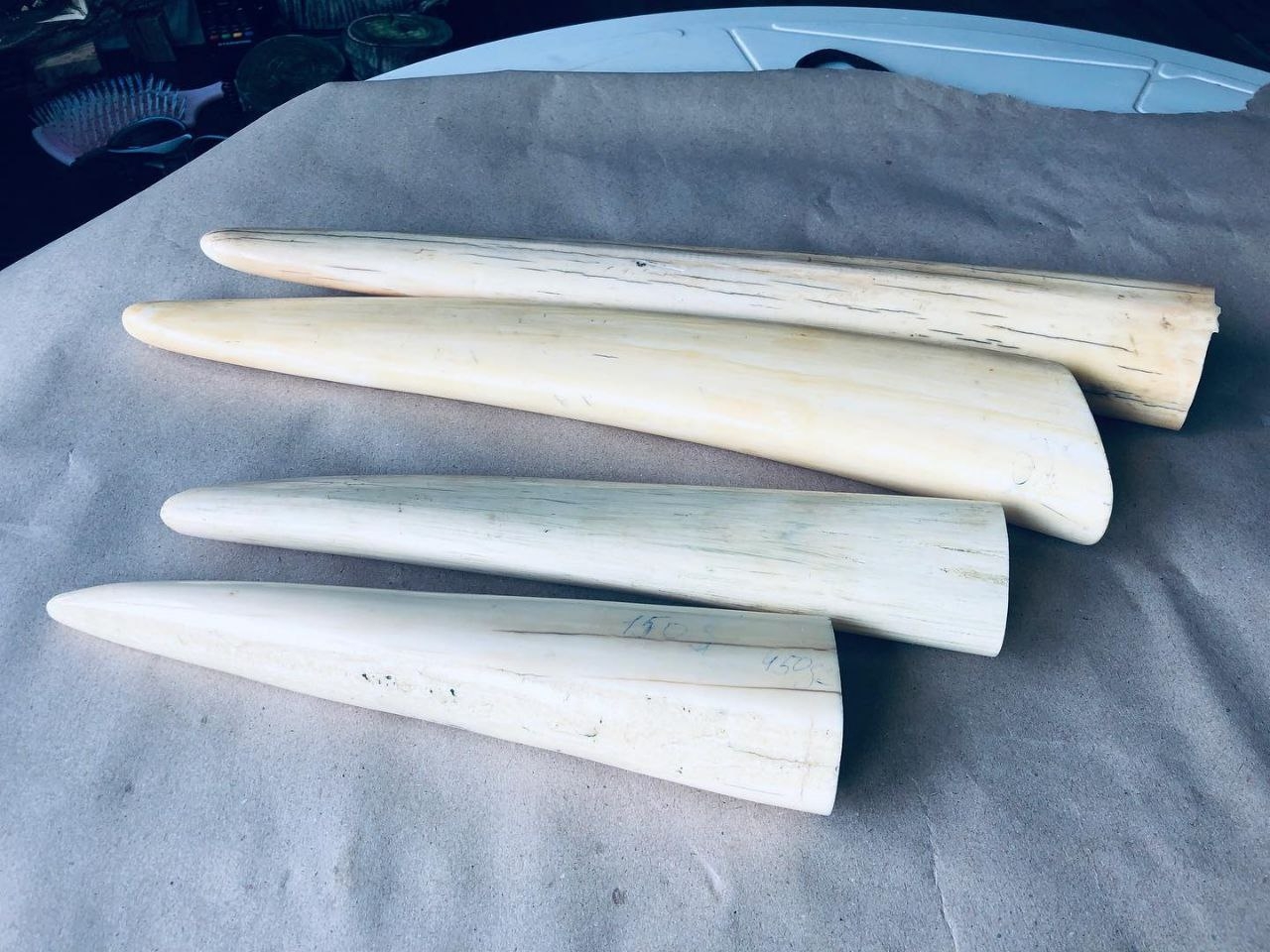
material in walrus tusk nyt
Exploring the Significance of Material in Walrus Tusk in the New York Times
One of the key points raised in the article is the cultural significance of walrus tusks in indigenous communities. These communities have relied on walrus tusks for tools, art, and traditional practices, highlighting the deep connection between the material and their heritage.
Furthermore, the article discusses the environmental impact of harvesting walrus tusks. As demand for this material grows, concerns about the sustainability and conservation of walrus populations have come to the forefront, prompting conversations about responsible sourcing and ethical practices.
The New York Times article also touches upon the artistic value of walrus tusks. Artists and craftsmen have long appreciated the unique qualities of this material, using it to create intricate carvings and sculptures that showcase the beauty and versatility of walrus tusks.
In conclusion, the article in the New York Times highlights the multifaceted nature of walrus tusks and their significance in various aspects of society. It encourages readers to consider the cultural, environmental, and artistic implications of using this material, sparking important conversations about sustainability and conservation.
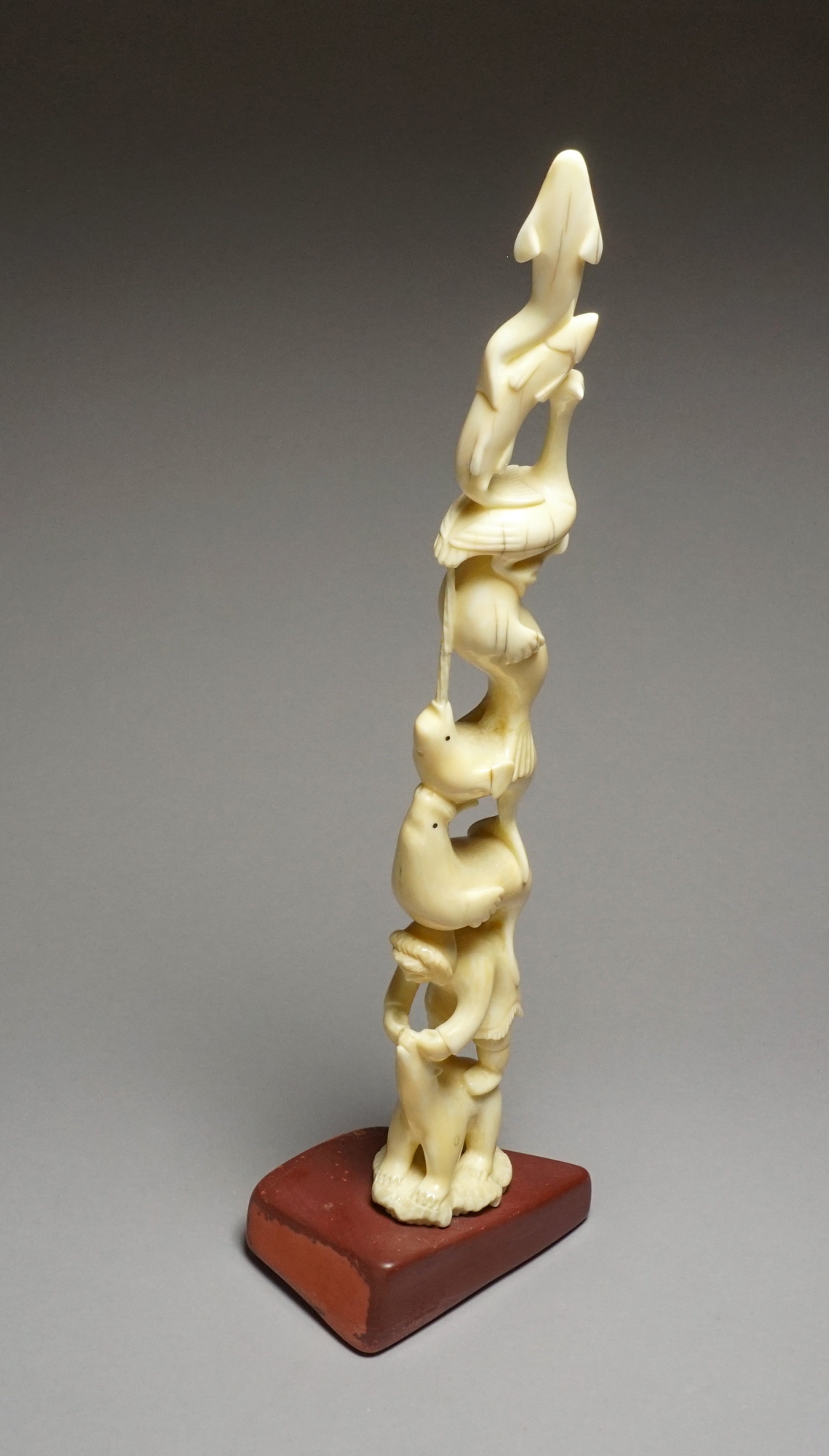
WALRUS TUSK Indigenous Art Gallery Specializing In Inuit Art
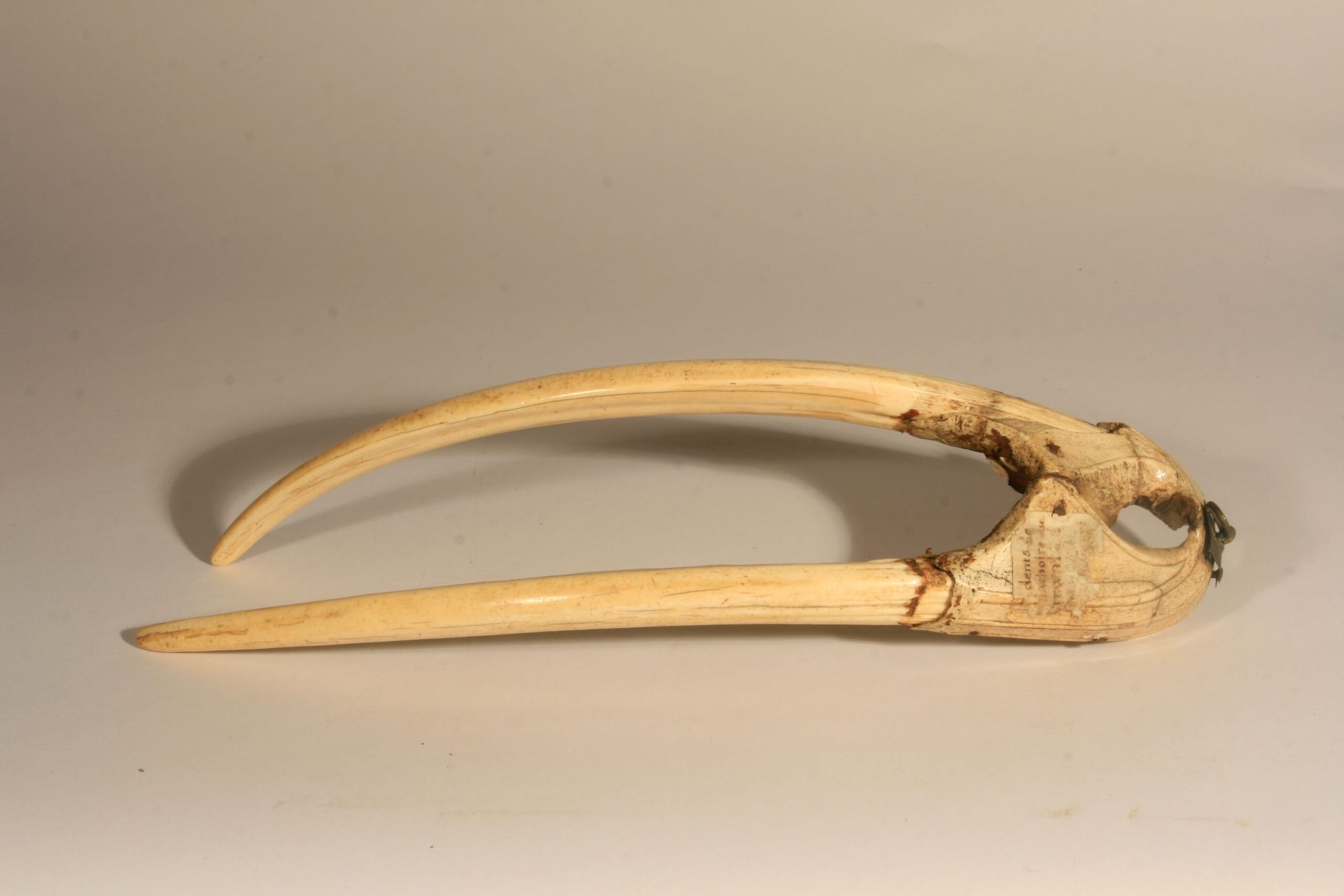
Ancient Norse Trade Revealed In Walrus Ivory National Geographic
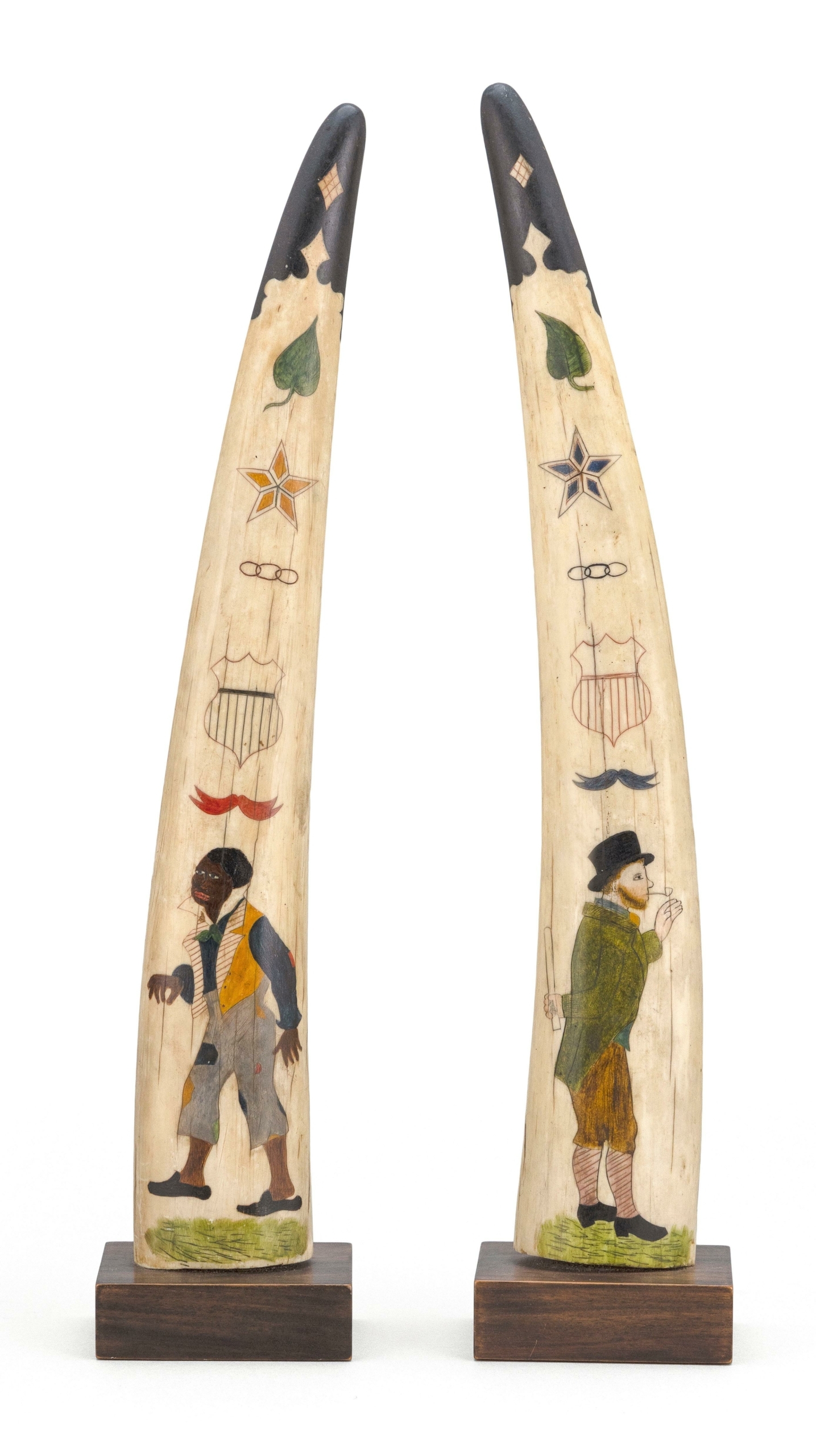
Fugitive Ivories Or Enslavement And The Walrus NiCHE

How Did Elephants And Walruses Get Their Tusks It s A Long Story The New York Times