Have you ever wondered about the speed of sound ratio and how it compares to other speeds in our world? It’s a fascinating concept that can help us understand the physics of sound waves and their behavior.
When we talk about the speed of sound ratio, we are referring to the speed at which sound travels through a medium, such as air or water. In general, sound travels faster in solids, slower in liquids, and even slower in gases. This ratio can vary depending on the temperature and density of the medium.
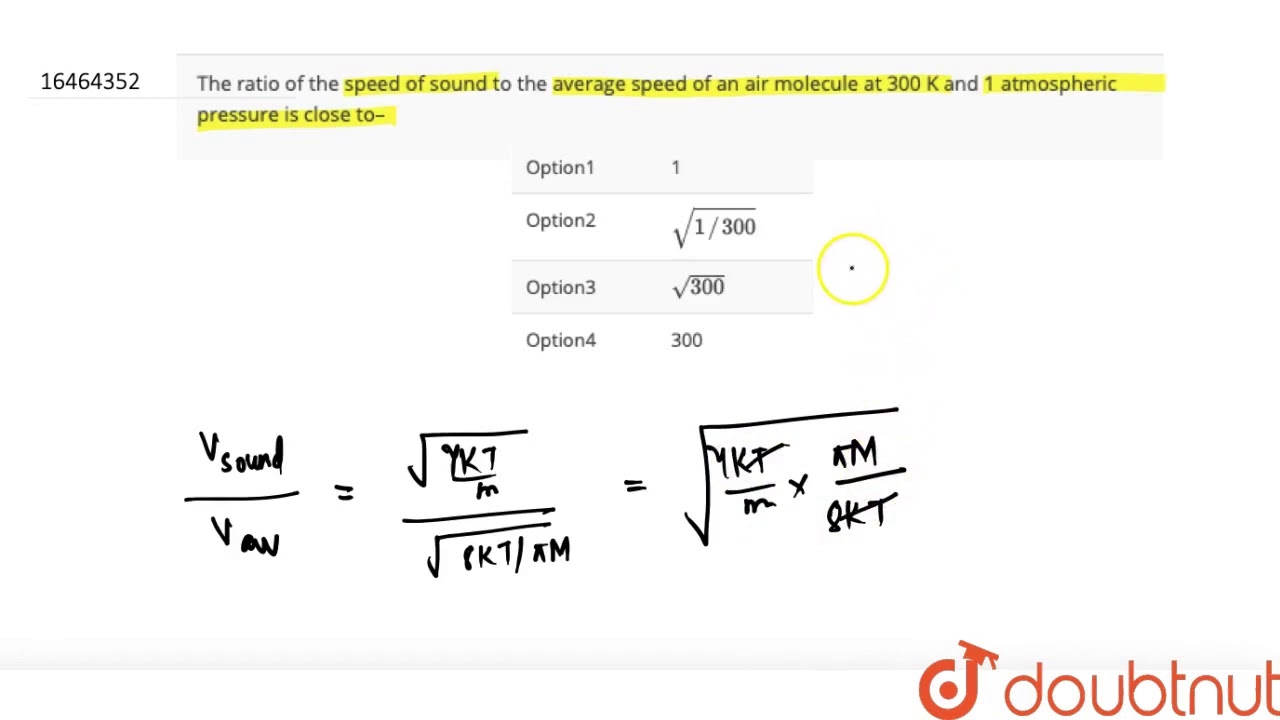
speed of sound ratio
The Speed of Sound Ratio in Different Mediums
For example, in dry air at 20 degrees Celsius, the speed of sound is approximately 343 meters per second. In water, sound travels at around 1,500 meters per second, while in steel, it can reach speeds of up to 5,960 meters per second.
Understanding the speed of sound ratio is crucial in various fields, from music and acoustics to engineering and meteorology. It helps us predict how sound will travel in different environments and how it can be used in practical applications.
Moreover, the speed of sound ratio plays a significant role in determining the sonic boom produced by supersonic aircraft. When an aircraft travels faster than the speed of sound, it generates a shockwave that produces a loud noise heard on the ground.
Overall, the speed of sound ratio is a fundamental concept in the study of sound and its properties. By understanding how sound waves travel through different mediums, we can gain insights into the behavior of sound in our world and enhance our knowledge of acoustics.
Next time you hear a sound or experience a sonic boom, remember the speed of sound ratio and how it influences the way we perceive and interact with the sounds around us. It’s a fascinating aspect of physics that shapes our understanding of the world we live in.
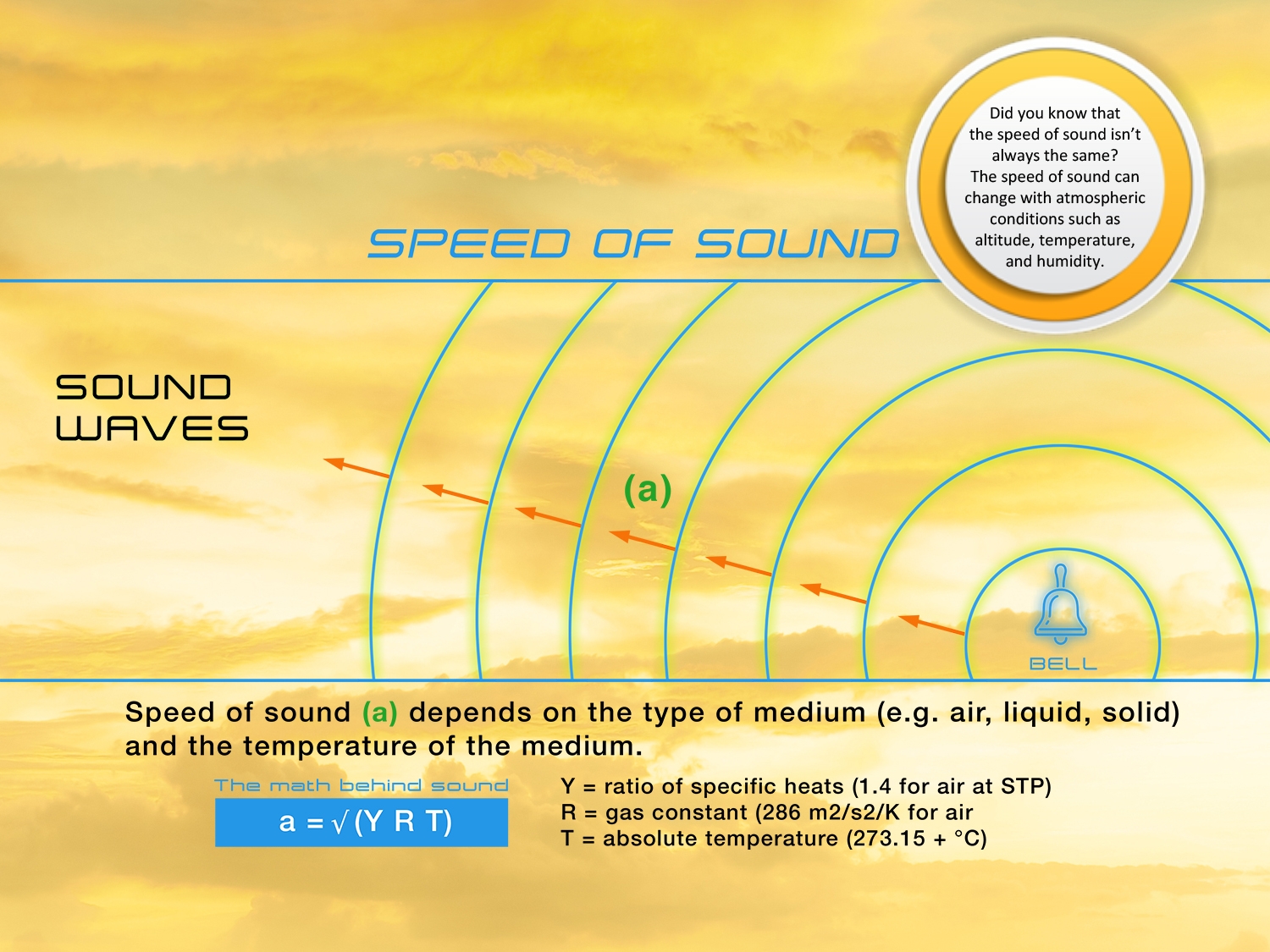
The Science Of Sound
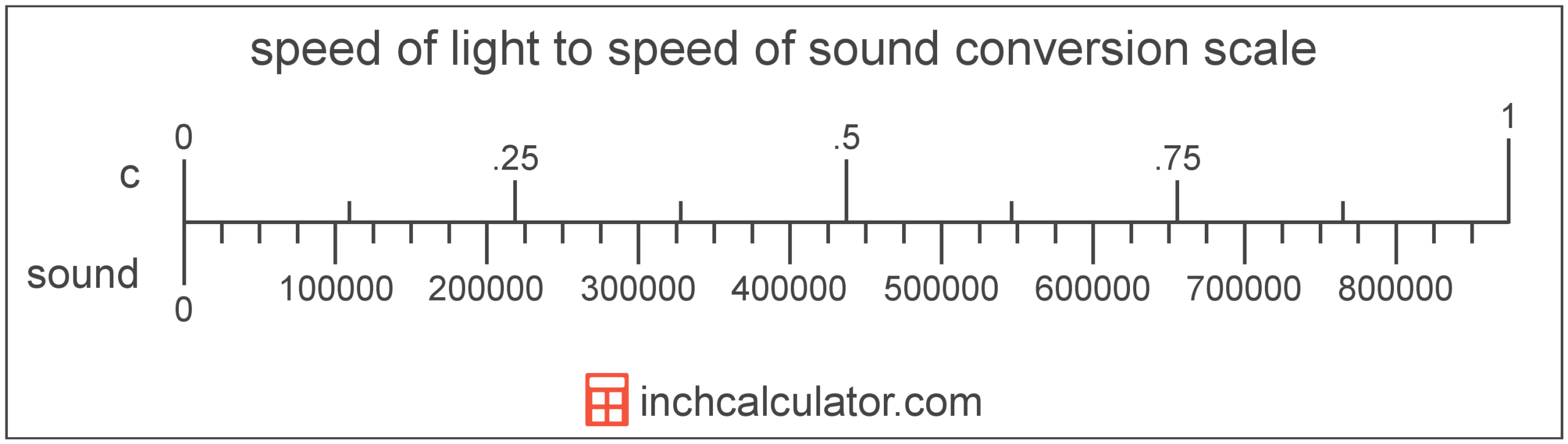
Speed Of Light To Speed Of Sound Conversion c To Sound
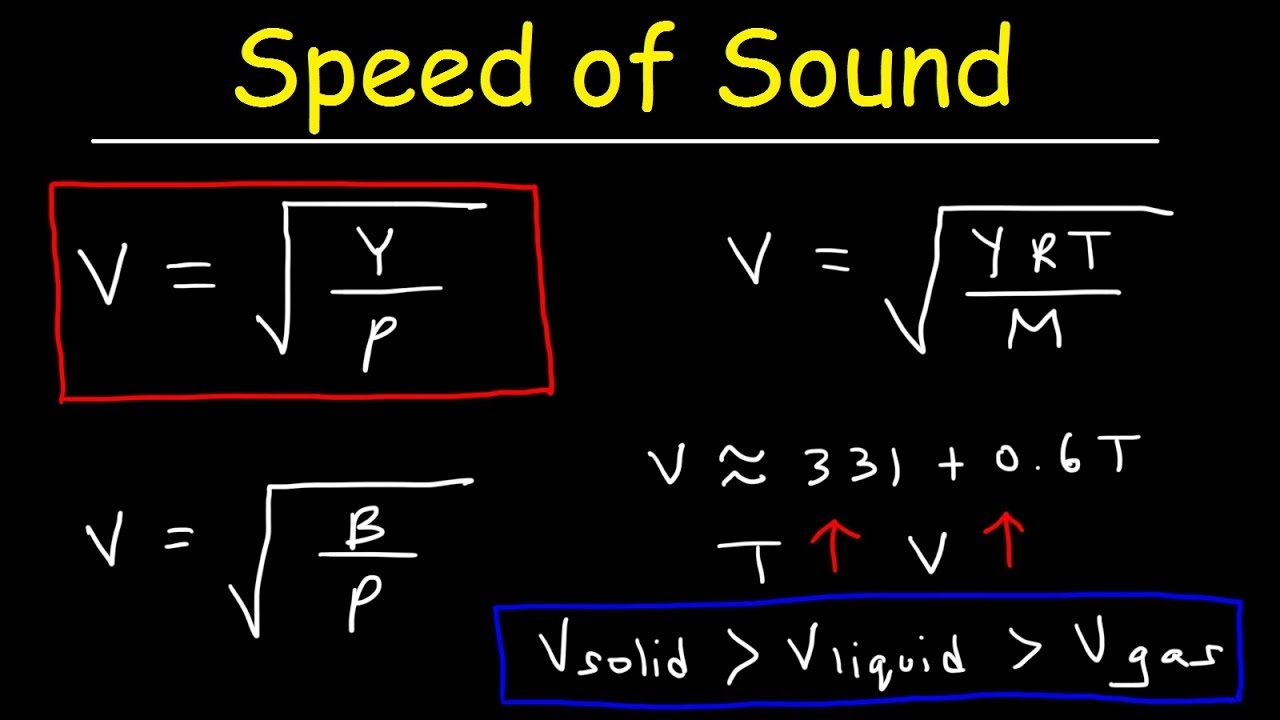
Speed Of Sound In Solids Liquids And Gases Physics Practice Problems YouTube
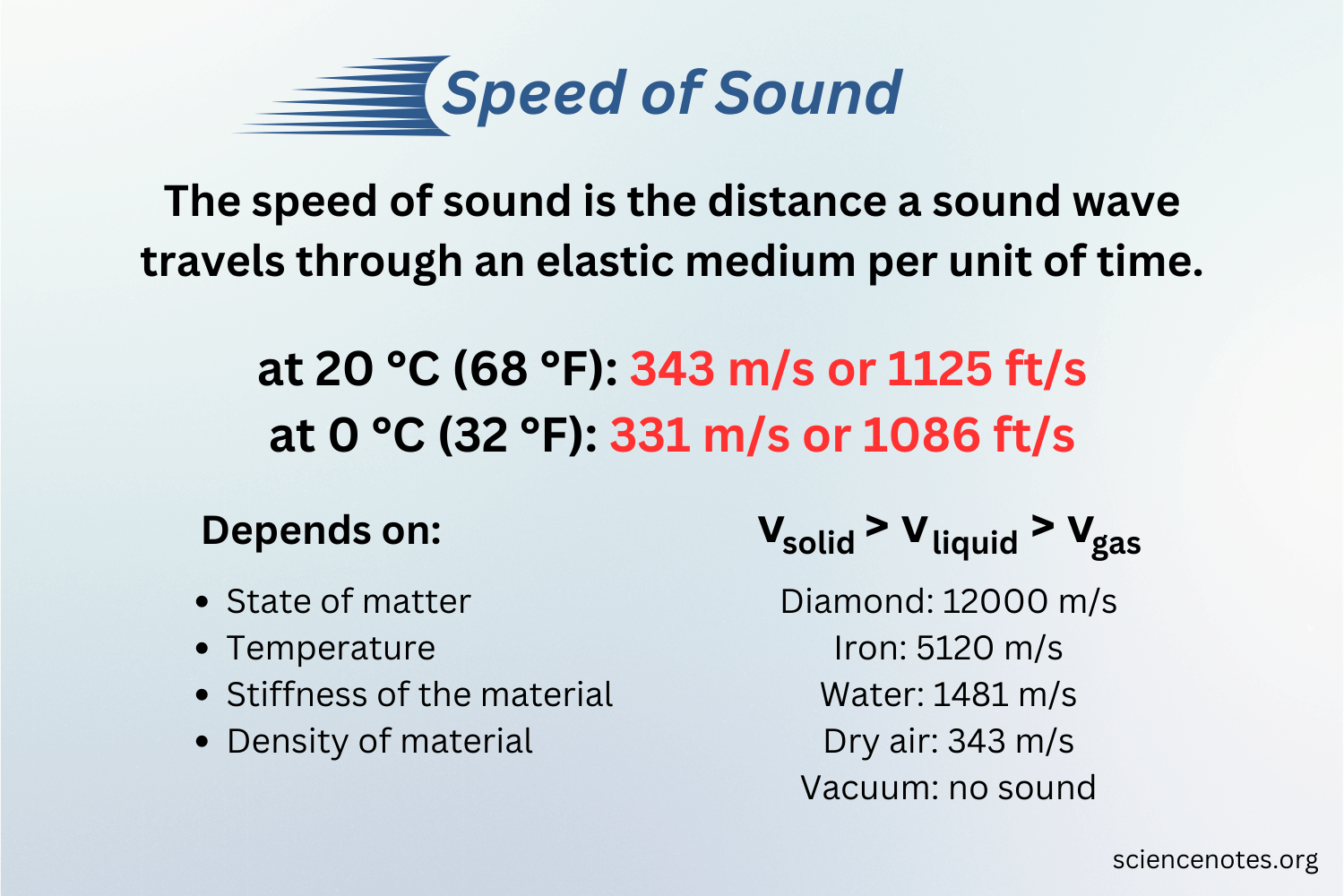
Speed Of Sound In Physics